
Welcome to my blog!
This exercise was inspired by a video I saw online – a video from Mark Manson – “40 Harsh Truths I Wish I Knew in My 20s” – and that video inspired me to think about the life lessons I would impart on my 20-year old self. I drafted some ideas and realised that thinking back to myself in 2011/12, there was quite a lot I could impart to him… Essentially, I would tell him that things would work out – but there are steps that he could take in his here and now that would make the process easier.
As I wrote it, I ended up writing over 5000 words in this blog entry, and therefore I split it into two parts when posting. Here are lessons 1-10. 11-20 are in the next post – which you can find here: “20 Lessons For My 20-Year-Old Self: Part 2“. If you have any tips or comments that you would like to add, please contribute them to the bottom of the article.
Here is the Mark Manson video that inspired this blog article if you wish to bookmark it and watch it later:
Dear Past Oisín,
I hope you are doing well, mate. I am writing to you in 2025, and you are now 33 years old. Time moves in strange ways, and you are no longer a “young buck”—you’re a dad now. Yeah, believe it or not you now have two children, and you’re a fully grown adult… Crazy to think about really… You think you are a bit of an adult now, but you’ve still quite a long way to go before then.
2025 is a mad place to live in – in 2012 it might seem like a lot is happening in the world, but you haven’t seen anything yet. Enjoy the “calm” now while you can!
Anyway, I thought I would share some knowledge and experience with you – some life lessons I have picked up in the last 13 years based on moving country, studying abroad, and generally experiencing more of life. There are a couple of lessons here that you could learn now and reap the rewards of in the future. However, even though I know you won’t do that, eventually you will pick them along the way:
1. Go Running
You enjoy running, but you rarely, if ever, go… For some reason, you just can’t lace up your shoes and get out there – you are fit and active. You’ve discovered squash in the Mardyke Gym in Cork but for some reason, running outside just does not do it for you… yet. The gym is good, but nothing beats going out into the world and running… Running with the sun on your back and the wind in your sails is one of the best feelings in the world.
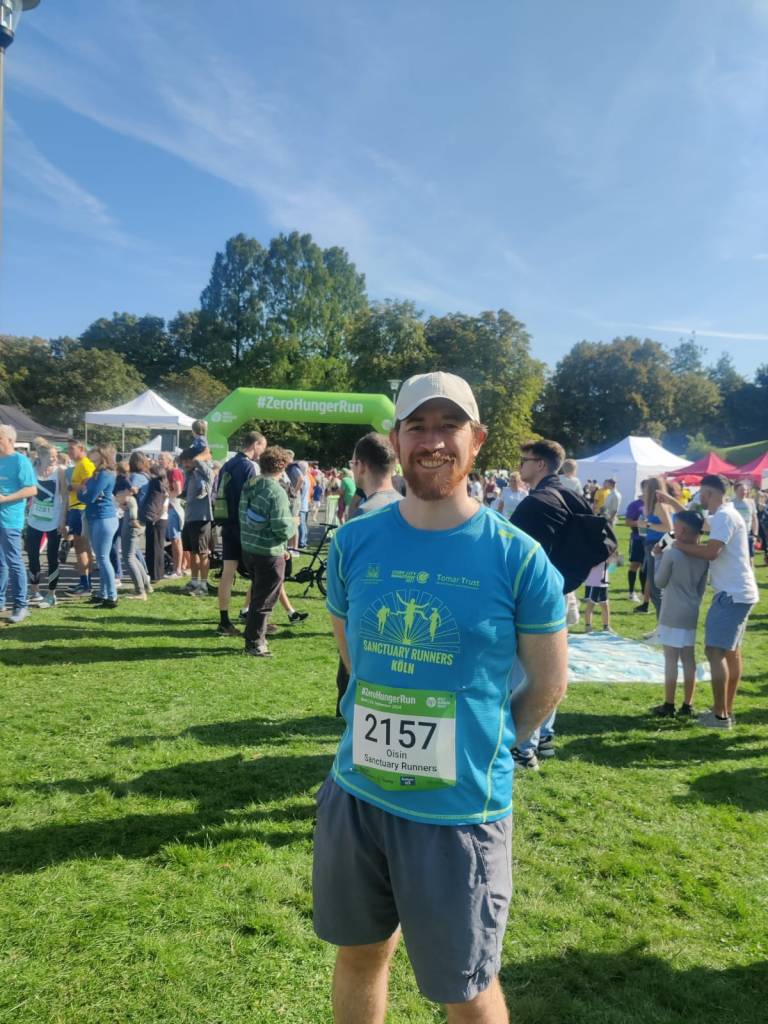
Discover podcasts – or rediscover them as you have gone off them in the last few years – and get out with a good podcast in your ear and enjoy the run. Let the podcast take you through funny stories, sad times, historical settings, epic clashes in the Tour de France and so much more. Turn running into a habit, and do not look for “the perfect moment” to go… do not look for the “perfect motivation” to get out and do it; just do it… Over time, you will turn it into a habit, one of the best habits you can do.

In reality, you will take up running when you move to Germany. That habit will start during the Coronavirus Pandemic (long story, I cannot go through it with you now). It will turn out to be one of the best habits you will ever make. In your 30s, you will start running half-marathons and are preparing for a full marathon. What is funny is that at 17, you were sure you would end up like this – you even wrote that you wanted to run a marathon by the time you turned 30; however, somewhere between then and your mid-20s, you lost the path a bit…
Here is an article I wrote about discovering jogging back in 2021 for another website:
Now, you are running regularly. You run between 1200 and 1500km each year, and it is the best thing you do with your time now. Running is not only great for your physical health but also your mental health. There is something just magical about going out and covering 6/7/8km – 15km on a run and seeing everything that you see and experience on those runs. It would be great if I had taken it up earlier, but at least now it is happening.
2.Cut Down/Give Up the Drink
Admittedly, you were never a hefty drinker, but you have now cut down completely. As I write this, it is midway through March 2025, and you haven’t had a drop of alcohol in the entire year… and you feel great.
Admittedly, back to you in 2012, in a few months’ time, you will be going on Erasmus, and there you will consume quite a bit – probably the most you have ever had in a year… and you will have great fun… So, maybe not “give up the drink”, but take it handy with it… There are no health benefits to drinking; there are more fun activities you can do sober, hangovers get a lot worse as you get older… and believe it or not, there are alcohol-free drinks that also taste pretty good and don’t give you the hangover… Admittedly, I am writing to you in the year 2011/2012… maybe they haven’t developed as much as they have in 2025.
Cutting down on alcohol has come about having taken up running… My time to go running is first thing in the morning. Now that I have young kids that means around 7am/7:15am and yeah, if I am hungover or even somewhat off due to drinking, then I am not getting up early in the morning to go for a run… Cutting down on alcohol has come about because running has given me a reason to get up early on days off… and as much as I hate to say it, the cliché that the morning is the best time of the day happens to be true…
3. Mornings are the Best Time of Day
You are not much of a morning person, and in fact, for the next couple of years, you will spend hours in bed on days that you do not need to get up… you will read books, watch YouTube videos, and listen to music in bed all before getting up… Some days, you will spend two hours in bed on a Saturday or Sunday rather than get up and at them…
However, mornings are the best time of day. If you can get a couple of tasks done in the morning, it really sets you up for the rest of the day…

You will eventually do this, but to get there, you will start running, get a Fitbit watch, and set annual goals. The morning is when you will go running – mostly around 7/8am – and those runs will send happy endorphins running through your system throughout the day. They will make you a lot more motivated for what life has in store for you. However, It would be great, to start that routine a bit earlier in life…
4. Find Out About Investing and Start Doing It

Compound interest is a thing… and it rewards turning up early and investing regularly… I am pretty sure you learned about this in school… and you should start applying it to your own money. The earlier you invest, and the longer you leave it in there to grow and compound, the better you can prepare yourself for the future… Even if it is only a tiny amount, getting started is the main thing here.
Instead, you will learn about investing when you are 32 and only start from there. At first, you did not treat it very seriously. Still, that little start of €60 led to you reading up on it, watching videos about it, and discovering how it works. You now have a more considerable portfolio, and although it is not doing too well at the moment – thanks to President Trump crashing the stock market (yes, Donald Trump – that American celebrity businessman you vaguely know the name of is now on his second term as US President… and all I can say is enjoy the time where you didn’t know his name…)
Although I haven’t yet seen the power of compounding in action as I haven’t been in the market long enough, I get reassured by using websites such as the calculator site to calculate compound interest… I hope that it works! However, I would be much further along if you had already started the investment journey for me…
5. Find Out How Money Works
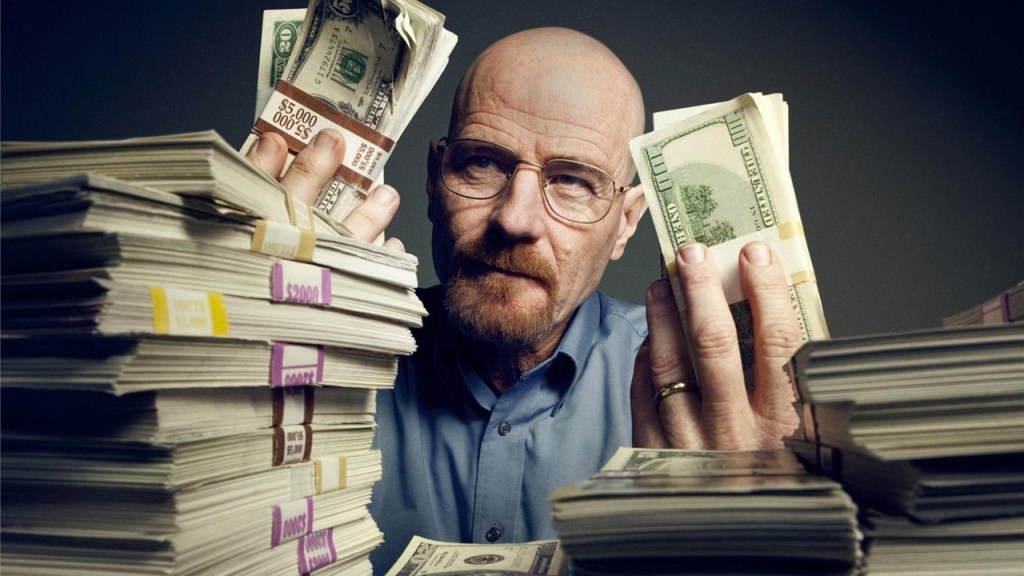
At the moment, as you are in 2012, Ireland is not a fun place to be with the seemingly never-ending stories about recession, IMF, job losses, and all of that. The 2008 crash has, in many ways, removed a lot of your optimism for the future… Suddenly, we went from the Celtic Tiger and the crazy stories of wealth to stories of young people leaving Ireland, people losing their jobs, massive debt, etc.
However, this is a moment to learn how money works. Soon, but not soon enough, you will be out making money and earning, and then you should learn about what money is about. Yes, money can buy you things, but investing and saving money can give you more choices in the long term.
You don’t need to become a monk and live completely frugally, but you should really start to think about what you want in life and how money can help you get there. Yes, this refers to the earlier tip about investing… but it also refers to creating an emergency fund, learning about how interest rates in savings accounts work, and learning why you should maybe hang back from spending money for the sake of it and put your money elsewhere instead.
6. Set Goals and Make Systems
Time moves fast. Right now, you are 20 years old and doing well overall, but you lack a bit of direction and purpose. The universe will not just give you that purpose. In school, the focus was on achieving a good Leaving Certificate result. You got that, and you are now studying law. However, time will move quickly here, and you could really use this time to focus on who you are, who you want to be, and what you want to achieve.
Eventually, you will make a New Year’s Resolution to start journaling – that was New Year 2015 – and make notes about what you do during the day… That will set you down an eventual path to setting daily and annual goals. The daily aims were just a reason to procrastinate rather than commit to my master’s degree coursework – and they were a case of not seeing the bigger picture. Annual and even longer goals are much more likely to bring about changes… Implement small changes during your day but with the purpose of making better habits encapsulated by these annual goals.
Now, you regularly set annual goals, and although some seem strange in isolation, they serve a bigger purpose. For example, your goals around watching Dutch series are about encouraging you to keep up your language skills when you are relaxing, your goals around moving 10,000 to 15,000 steps a day encourage you to get running and to get moving on days when you cannot get out for a run, your goals to write more is to ensure that you do not lose your love for writing… and to keep your writing skills sharp.
Setting goals and creating systems will make New Year’s Day one of the days you look forward to most. That is the day when you set off again with a new yearly goal notebook and can start ticking them off as you achieve them.
7. Languages Are Fun – Including Gaeilge
Learning languages is one of the great treats in life… It is difficult to do, and your German still isn’t perfect (I have told you that you now live in Germany, right?) but languages open doors that would surprise you.
The obvious example is of course German considering that I now live there, but I have also learned a lot of Dutch and I am much more interested in Gaeilge than you were… Your German isn’t as bad as you think it is, and you will do fine in it. You will realise this when you first arrive in Germany, and on the train to Marburg, you will listen in on a conversation of some people on the train and realise that you can follow it just fine.
Focus on communicating with people and finding things you are interested in rather than on grammar rules. German music, series, books, magazines etc. are worth looking at as much if not more than course material.
As for Gaeilge, you should consider becoming involved in Irish language activities. Again, the language is more than the grammar rules, it is more than An Tuiseal Ginideach and is something we should use more often. Check out the activities of the Irish Language Society in UCC and join in… who knows, you might make new friends and meet people… You have a very strong level of Gaeilge from your time in the Gaelscoil as a child, and if you don’t use it, you do risk losing it…
Dutch will be something that will come along later and again, your level is not perfect, far from it… but learning a language – even to read in that language and listen to podcasts – will give you other insights into different parts of the world and other cultures. It is worth pursuing.
However, make learning the languages fun – after you have the basics – make it fun. Once you make the language fun rather than something that needs to be pursued for the purpose of exams and such, it becomes something that you will enjoy doing… You will also become a lot more productive in learning it.
8. Write it Down – the Power of Journalling

You love writing; you enjoy the process of turning a blank page into something filled with life. You managed to get an A1 in Leaving Certificate English, and you know about how history works – those who write it down record it for posterity… However, you mostly write for university at the moment, and you have stopped writing for the sake of writing… You want to contribute something to the university newspaper but can’t find the right topic to write about.
You remember that poster in Ms. O’Connor’s classroom in Ashton, “If you wish to be a writer, write” – a quote from the Greek philosopher Epictetus. This time you are in, it will pass quickly and afterwards, without documenting it, it will be lost in time…You won’t know what you thought and felt at that time because you will have become a different person by the time you think back on it in many years. Reading about that lived experience in the moment it is happening is far superior.
Soon, you will be going on a life-changing year to Germany. You will be an Erasmus student, and you will love it. It will change you and make you a more independent person. Do you know all those things you feel you are not really getting yet in your university experience? You will experience all of it on Erasmus – the joy of travelling, student kitchen parties until early morning, love, heartbreak, contentment… However, you will not document it.
You will, to some degree, document it on Facebook, but here’s the thing, you will never read back on those status updates, you will never reread those Facebook posts, and you will lose the phone that you had in Germany with all the messages to- and from- people there. You will remember the feelings and the vague outline, but even the details of Erasmus will fade… You don’t have to do extensive journals, but it would be cool if you could write something about the experience for your older self to really look back on in the future…
Eventually, you will start journaling for yourself and then extend that to writing letters to your daughters about who you are as a person rather than who you are as “dada.”
9. Social Media is Not the Answer
Maybe it is the answer to what will destroy society and increase the feeling of anxiety and instability in the world, but it is not the answer to your own problems. Believe it or not, soon Facebook will be deemed pretty uncool and more for the older generation. I know right now that it is what everyone is using, but soon, there will be other social media platforms like Instagram, TikTok, and presumably others that will take over.
You do not need to keep up with that rat race; in fairness, you do not. You hold on to Facebook for dear life… However, see it as a tool and a means to communicate with people, if necessary, but not as something to spend hours and hours of your life using. You will be happier off it. If you want to communicate with someone, maybe write to them on Facebook chat, get their number if you don’t have it, and go out and meet them in person. It is a much better experience.
As said, you will post a lot of your Erasmus year on social media and document it there. However, the truth is that you will never go back and look at those photos or posts—you will never reread those posts—and it is a poor substitute. Honestly, your parents were right about using photo albums—physical photo albums. They are a much better way of preserving memory, even if they do require work to organise.Use social media to write to friends, promote work or projects that you want people to look at, and stay in touch with people. However, it is not a substitute for real life, and most people you are connected to—your “Facebook Friends”—do not really care what you are up to anyway.
10. Hard Copies and Physical Media Are Still Important

You like to collect DVDs and books; you are a collector at heart… Soon, there will be other means of getting films and books – something called streaming, whereby you pay a subscription fee each month and you can watch a whole bunch of films and series etc. You won’t own the media in question, but you will have access to it. Soon, there will be a whole bunch of these streaming services – Netflix, Amazon Prime, Apple TV, Disney+ – and they will compete for your attention. At first, you will think that we do not need that since we have a wall of DVDs that we can watch… but eventually, you will see the use of Netflix.
Your brother will get it, and you will enjoy it with him – he’ll share his account with you… However, it is essential not to let it replace physically owning the films. Netflix-versions of films can often be a poor substitute for the DVD… At one stage, Netflix will have The Lord of the Rings trilogy… but it will be the theatrical version – not the extended – and it will not have the behind-the-scenes featurettes that make those extended versions so magical. Netflix is also full of films and series that, to be honest, you would never have bought with “real” money so why invest your precious time in them.
I also just prefer owning a DVD, book, CD… and it means I can do some activities without needing to use the internet. You will realise that you spend a lot of your life online and when you get a smartphone eventually – everyone everywhere will soon have smartphones – that time online will skyrocket. Netflix can be a handy tool, but you prefer to really go out and pick a film and commit to watching it.
Anyway, these were the first 10 of my 20 lessons for my past self. If you have read this far, thank you very much. I am giving you a moment now to take a breather, go for a run, play a bit of music or do whatever else it is you want to do… The next ten lessons can be found here:
Please leave a comment if you have any lessons that you would like to share with your past self.


 Oisin O Mahony Blog
Leave a reply to Sam Welsh Cancel reply